
Happy Pride Month everyone! 🌈✨
This week, I thought I’d kick things off by sharing a piece from my collection which has a special place in both gay and Liberace history: a Liberace-autographed menu from the “fabulous” legendary drag club Finocchio’s!
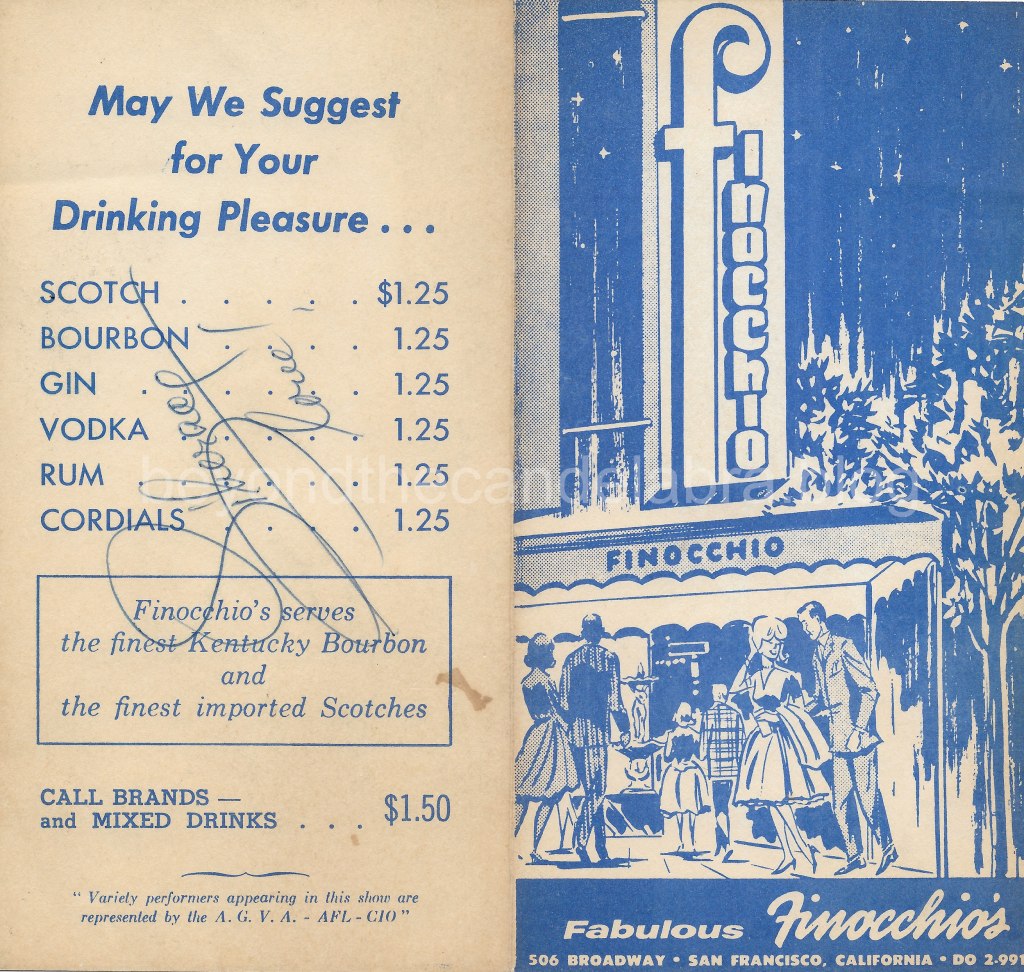
(Photo credit: author’s collection)
Originally opened as a speakeasy back in 1920s San Francisco, Finocchio’s would undergo its now-historic transformation from struggling dive bar to famous drag club after its pioneering founder, Joe Finocchio, began searching for new and exciting ways to entertain his customers.1 Intrigued by “stories” he’d heard about successful “female impersonator” shows cleaning up in London and Paris, Finocchio approached several of his bar’s most outgoing regulars with a fun but risky proposal.2 “I got three patrons to [sing and] dress as women and [they] were a sensation,” Finocchio later told The San Francisco Examiner. “Everyone came to see the show. And to drink.”3
Within weeks, Finocchio’s new “female impersonator” show would become his club’s most popular selling point, prompting Joe, his wife Eve, and their rag-tag group of gay performers to develop a fully realized revue show to keep up with increasing consumer demand.4 Held nightly on the club’s top floor, the new Finocchio’s Revue show would feature dazzling costumes, elaborate set pieces, and uncanny impersonations of some of the era’s biggest stars.5 “[At Finocchio’s], the world’s greatest female impersonators display their artistry in fun-loaded revues full of spicy songs, dancing, and the singing of the famous male Sophie Tucker, Walter Hart,” one reviewer raved. “An experience unlike any other is a trip to Finocchio’s.”6
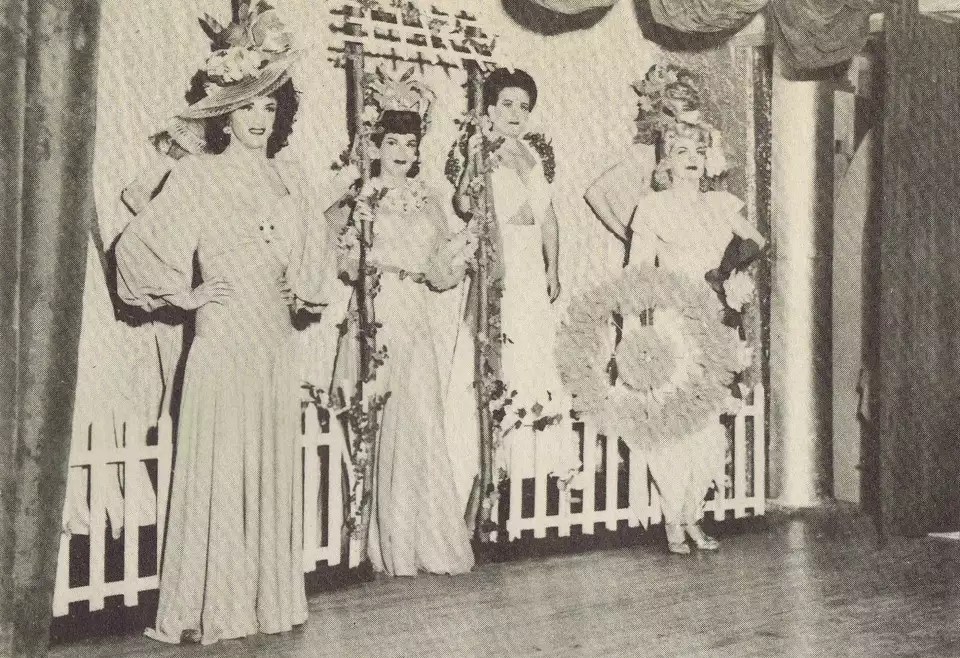
(Photo credit: Bob Bragman/SF Gate)
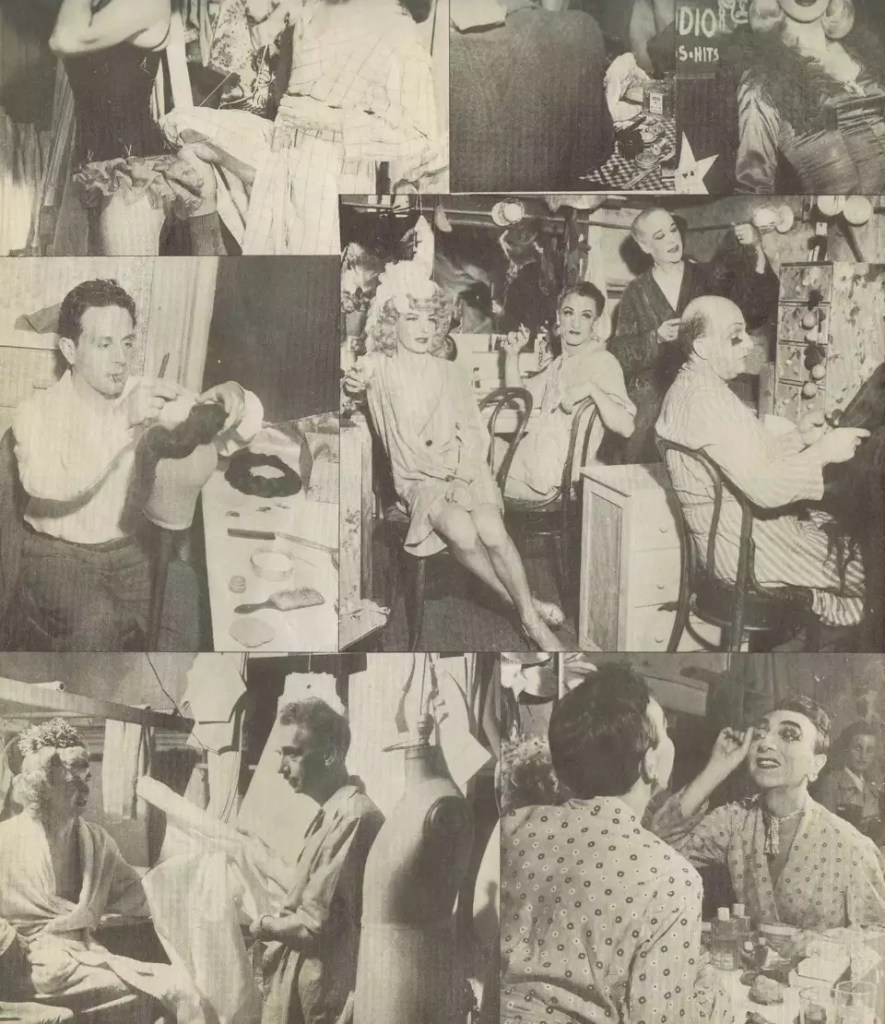
(Photo credit: Bob Bragman/SF Gate)
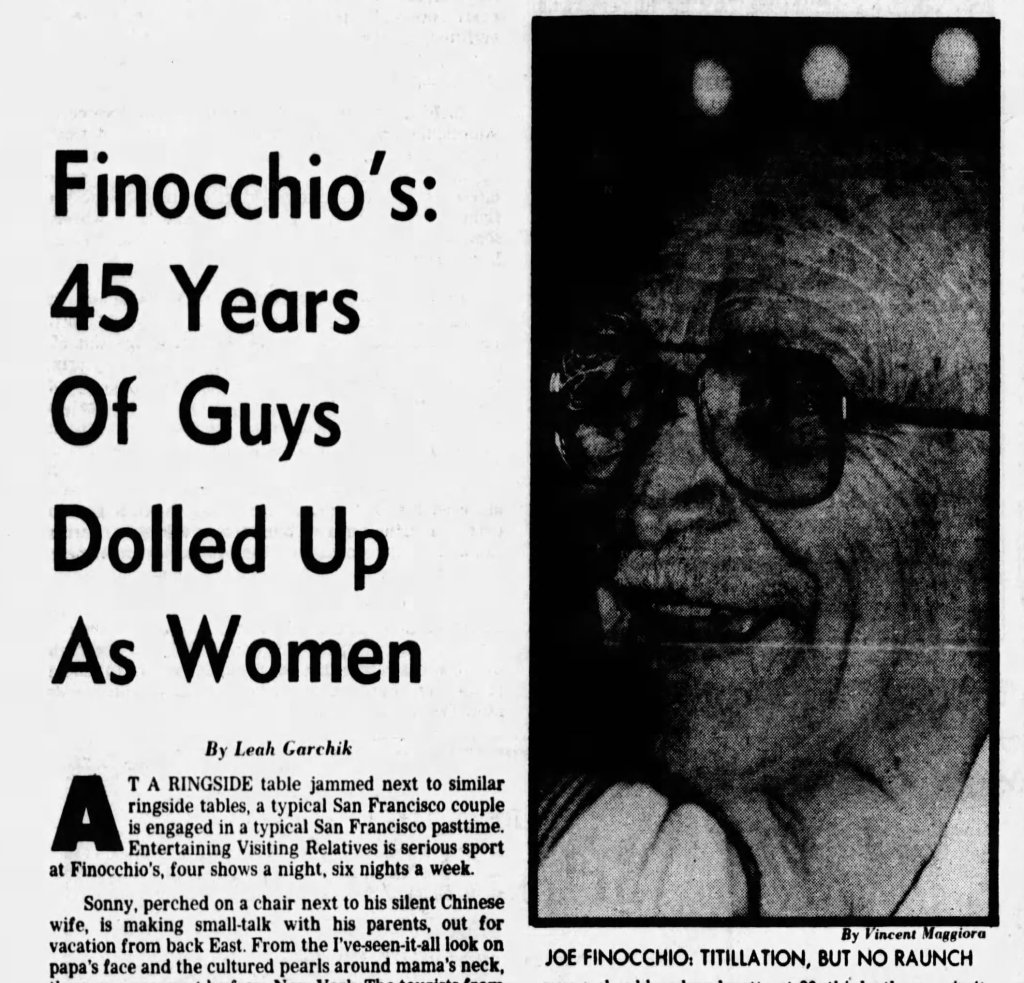
(Photo credit: Vincent Maggiora/San Fransisco Examiner)
Drawing heavily from their experiences as Broadway and vaudeville performers, early Finocchio’s queens like Francis Stillman, Tex Hendrix, and Walter Hart would receive widespread acclaim for their ability to combine convincing female impersonation with musical theater.7 Other queens like Li-Kar and Freddie Renault would find their calling beyond the Finocchio’s stage entirely, proudly serving as two of the revue’s first art directors and producers at a time when gay and trans performers rarely received their due.8 “Freddie Renault, dancing star at Finocchio’s, is also the producer of the revues,” The Oakland Post Examiner observed in 1945. “America’s foremost female impersonators star in this lavishly costumed show which features song, dance, and comedy routines.”9
Like many gay clubs of its era, Finocchio’s frequently blurred the lines between entertainment and sex work, and was the target of multiple police raids throughout its existence.10 In 1936, these raids (coupled with city-wide concerns over the club’s constant overflow capacity) forced Finocchio’s to relocate from its original home on 406 Stockton Street to its more iconic location at 506 Broadway.1112 There, the club would become hugely popular with both straight and gay visitors, and cement its legacy as a San Francisco institution until its closing in 1999.
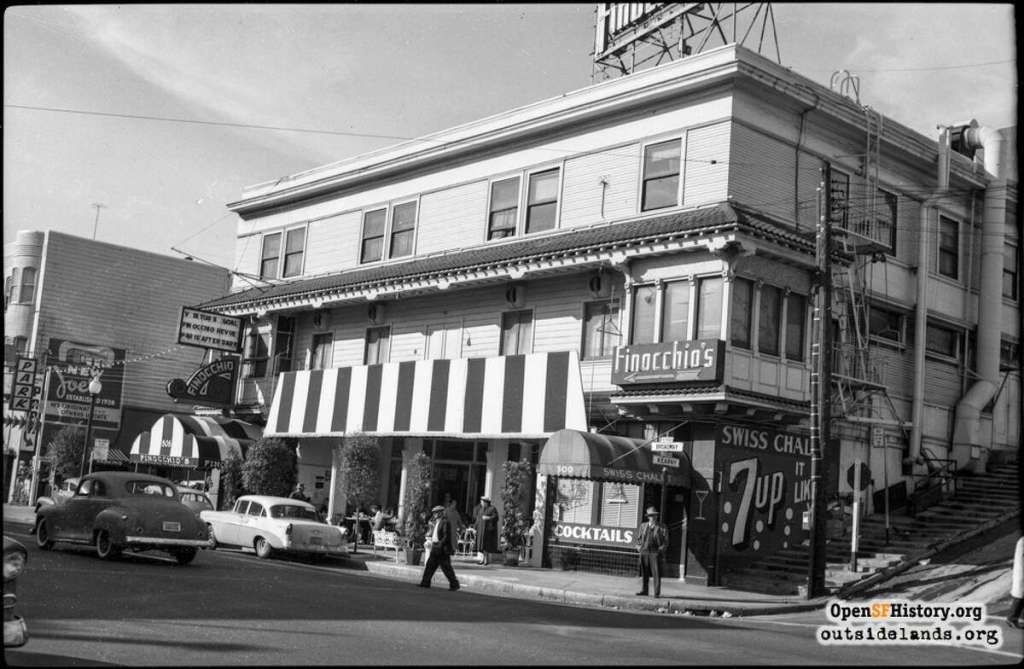
(Photo credit: OpenSFHistory.org)
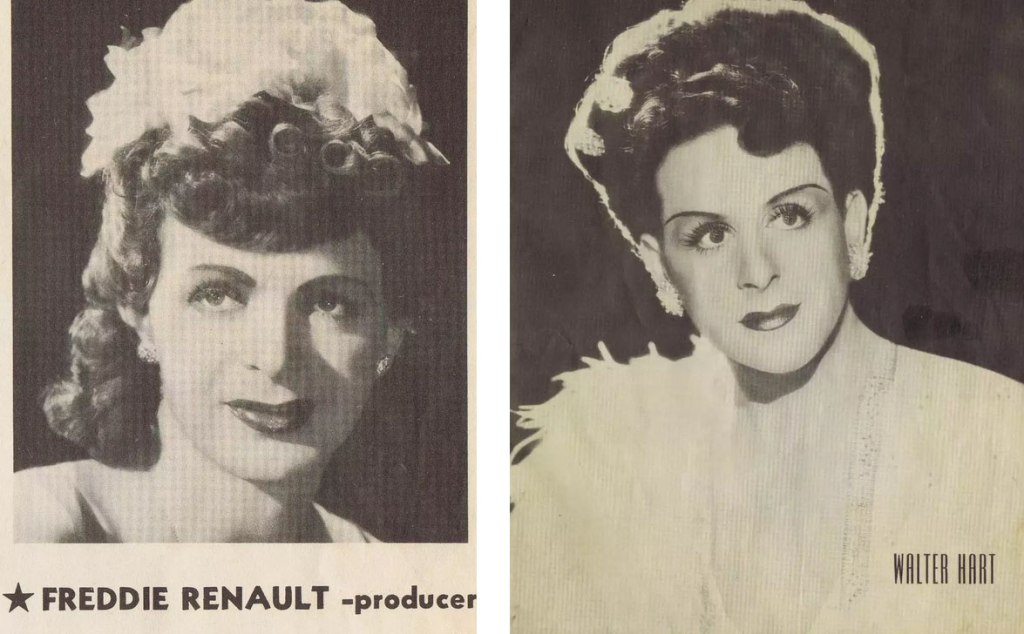
(Photo credit: Bob Bragman/SF Gate)
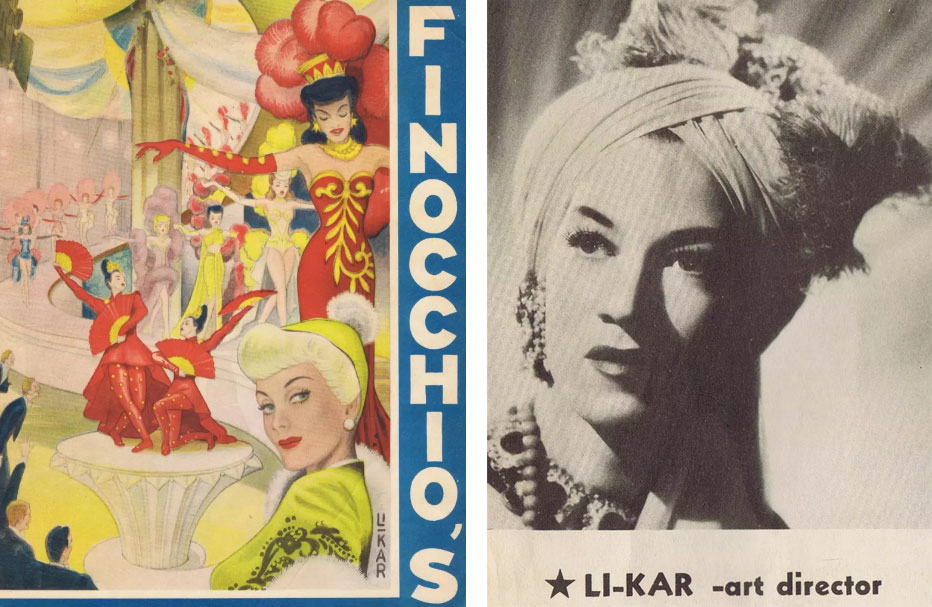
(Photo credit: Bob Bragman/SF Gate)
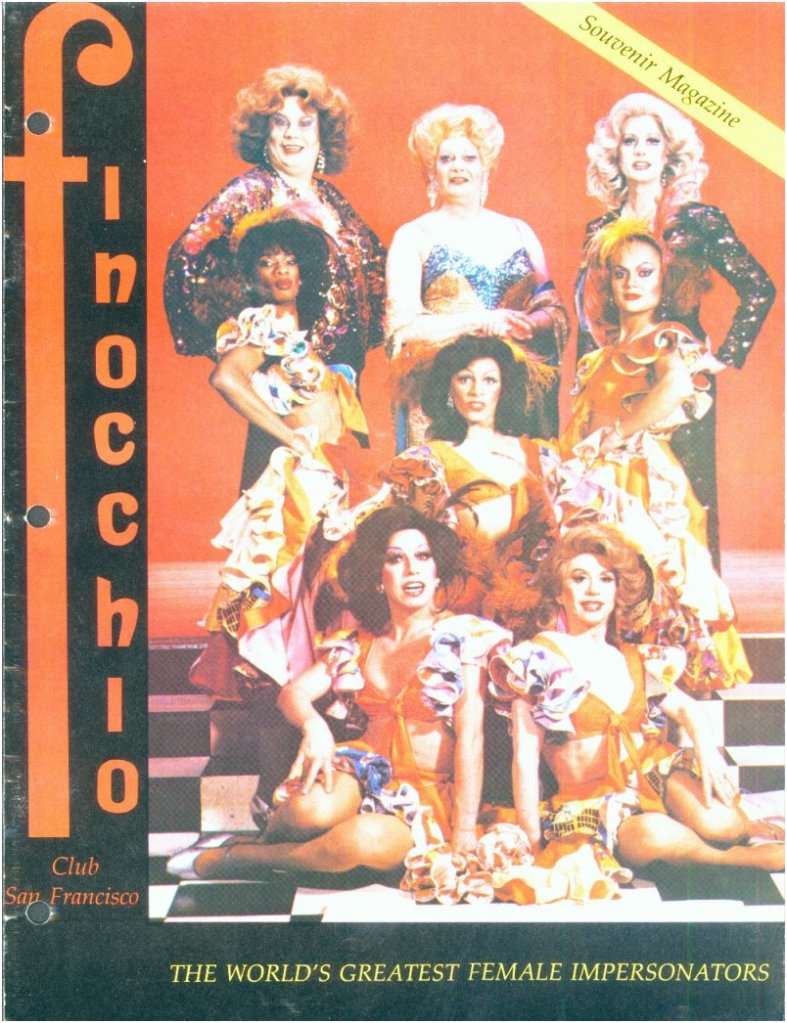
(Photo credit: Queer Music Heritage)
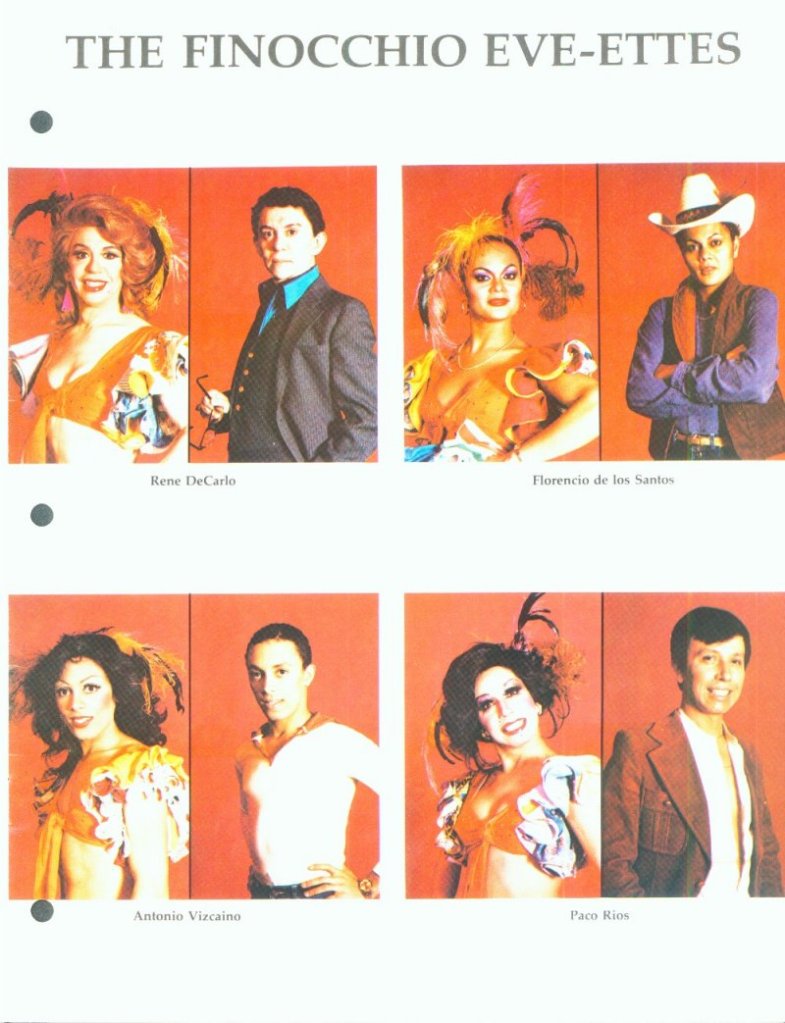
(Photo credit: Queer Music Heritage)
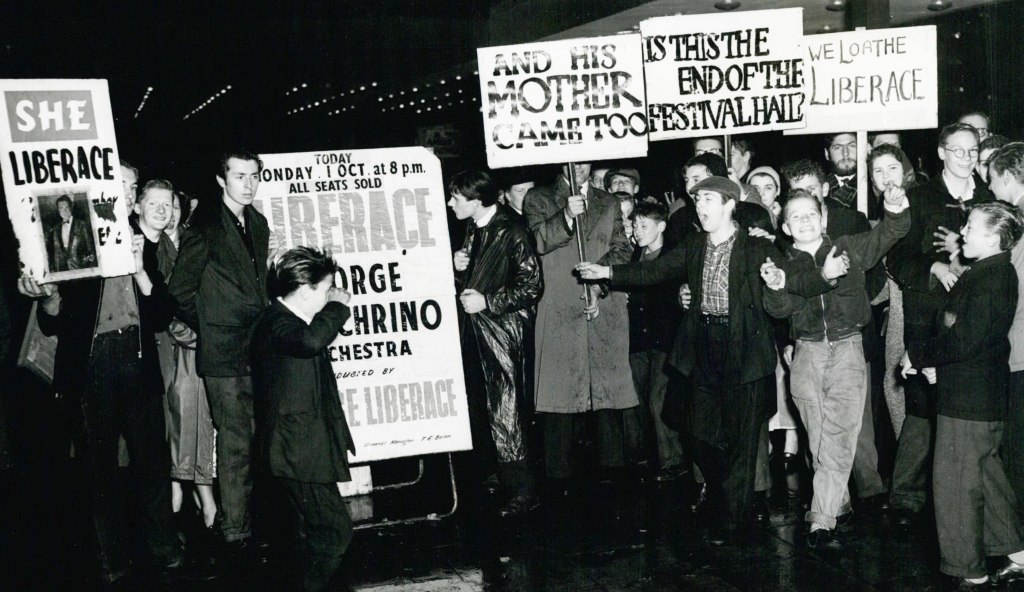
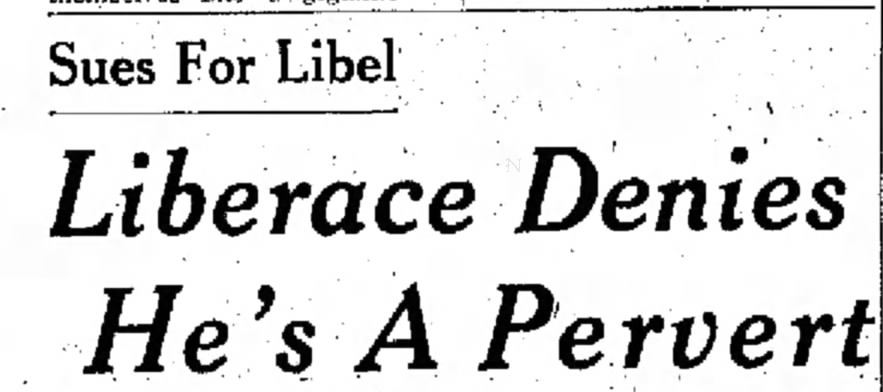
Although Liberace was far from the first celebrity to ever visit Finocchio’s, his appearance at the club in the mid-1970s did appear to coincide with a much larger shift away from publicly denying his homosexuality. Infamous for declaring in court that he both wasn’t gay and found the “practice” “offensive to society” during a 1959 libel trial, Liberace could now be found openly mingling with some of the world’s most famous drag queens, and happily inscribing Finnoccio’s cocktail menus with messages of support and approval.13 “Liberace,” he wrote with a flourish, “love!”
Eager to explain this shift in tone to journalists Karl and Anne Taylor Fleming in 1975, Liberace would stress that the 1950s marked a uniquely dangerous time to be accused of being gay in America, and that the onslaught of homophobic abuse and reaction he received for merely existing on TV with his perceived “perversion” nearly ended his entire career.14 “In 1956, people were destroyed by those kinds of accusations,” he told the Flemings. “It hurt me. People stayed away from my shows in droves. I went from the top to the bottom in a very short amount of time, and I had to fight for my life. And I won, and I came back.” 15
Though still hesitant to explicitly identify himself as a gay man to the Flemings, Liberace would walk back virtually all of his previous testimony about homosexuality, and strongly imply that changing social attitudes towards gay people left him feeling freer to be himself than ever before. “The story in the papers not long ago about my announcement that I was not a homosexual was completely false,” he insisted with unusual candor. “For me to say something like that today would be stupid. It made it appear that I’m down on gay people. Shit, I resented it. I never said it! […] People [now] couldn’t care less about that kind of thing. I kid about it on stage in my shows, talk about my balls and all that kind of thing. People love it. They couldn’t care less which way I swing.”16

(Photo credit: Facebook)

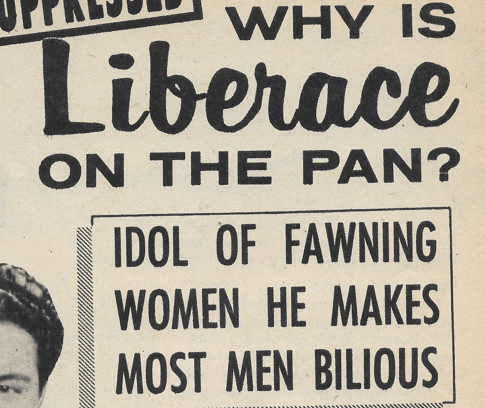
(Photo credit: Suppressed Magazine/author’s personal collection; The Daily Telegraph)
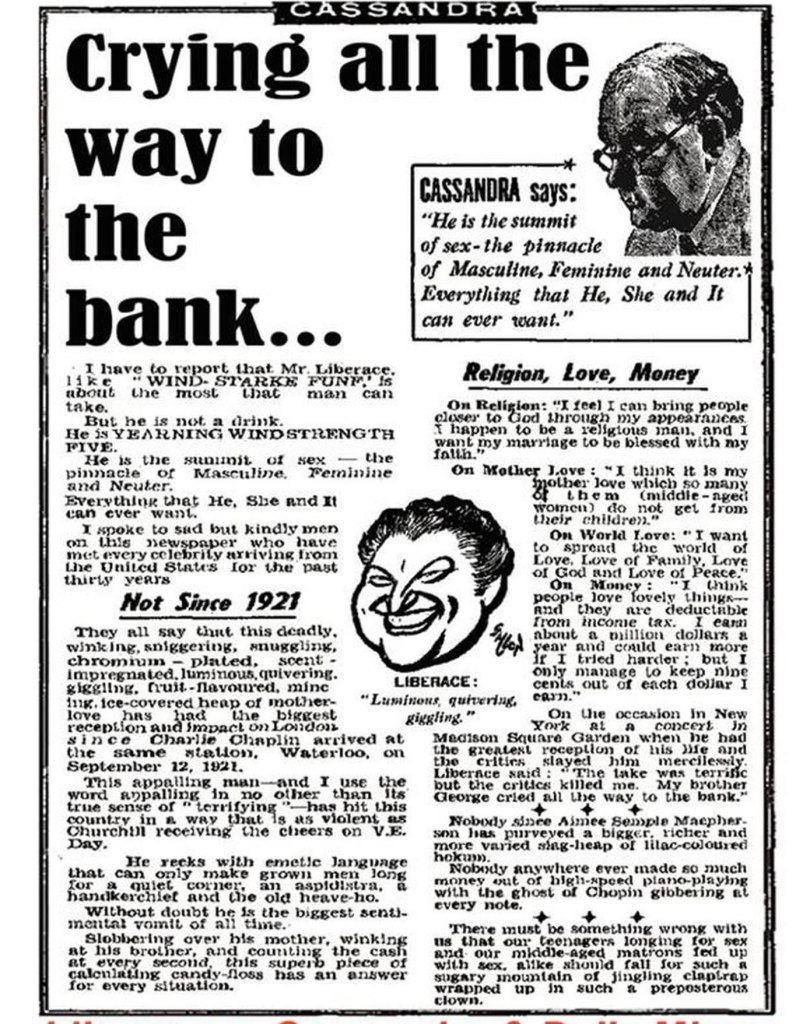
(Photo credit: Daily Mirror)
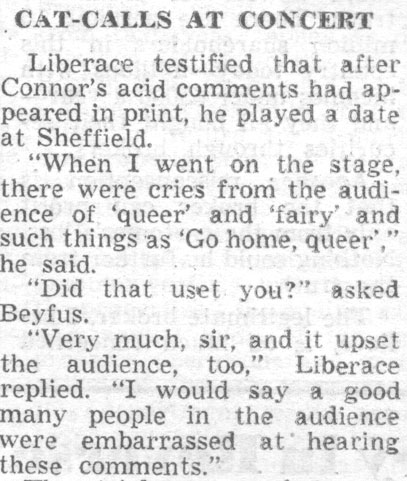
(Photo credit: The Boston American/author’s collection)
(Photo credit: Keystone Press)
(Photo credit: AP/Beckley-Post Herald)
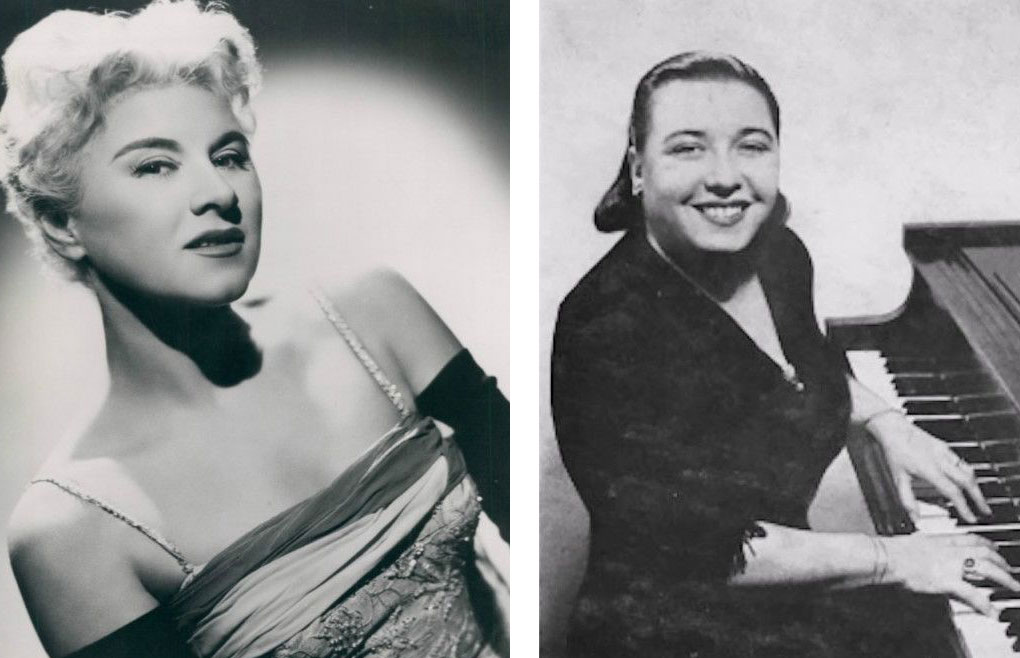
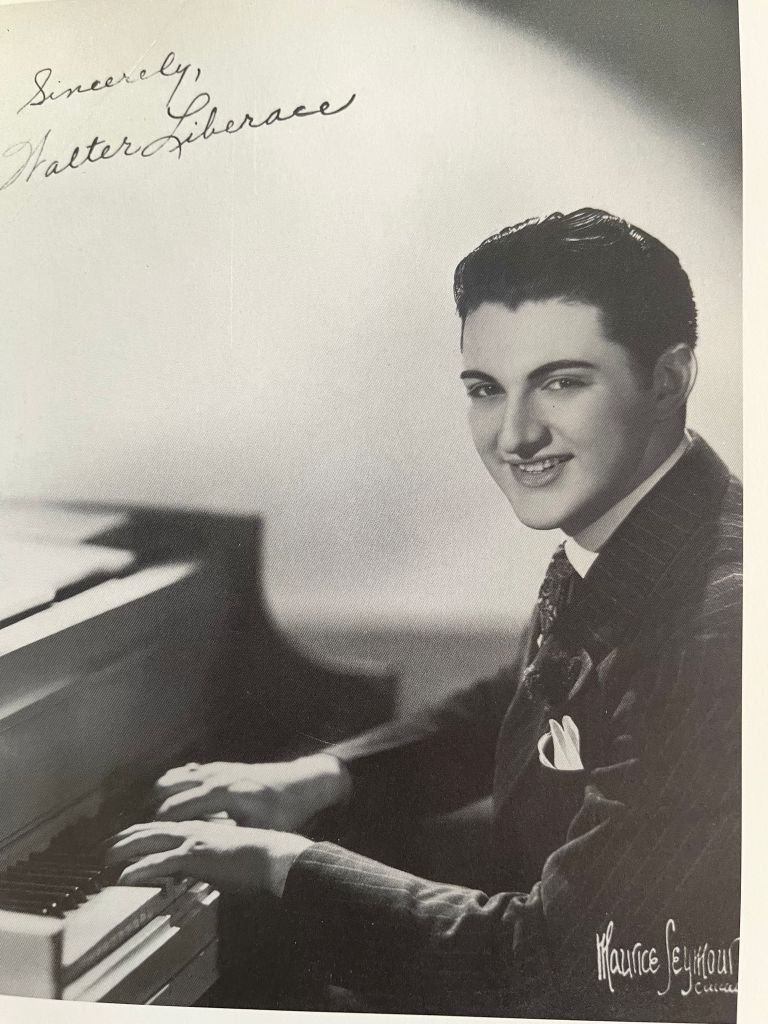
While Liberace’s mid-70s shift towards more openly acknowledging his homosexuality could hardly be considered revolutionary, a closer examination of his life and career before he first found fame in the conservative 1950s reveals that it really wasn’t all that unprecedented, either. Deeply enmeshed within the underground gay scene of the 1930s and 40s, Liberace had always incorporated elements of camp, drag, and gay culture into his public persona, having received many of his earliest pointers and opportunities as a performer from two of New York City’s most accomplished lesbian entertainers: Hildegarde Loretta Sell and Bertha “Spivy” Levine.
“When I first played in New York in the 40s there were so many places that were proving grounds, places where you could learn your craft,” Liberace told Andy Warhol in 1985. “One of the places I played was called Spivy’s Roof […] and Spivy was a sort of female Dwight Fiske. […] At that time she was very chic and manly – like a fabulous-looking dyke. And she sang these marvelous songs that were so cleverly written, like ‘I Brought Culture to Buffalo’ and ‘I’m in Love with an Acrobat.’ ‘The Madame’s Lament’ was one of her big numbers. She was very clever, but she always surrounded herself with new talent. […] These were the places in New York that were like universities [to me].”17
From the high-femme Hildegarde, Liberace would learn the “incomparable” art of showmanship – a crucial fusion of banter and flair which he would receive widespread acclaim for perfecting, but always attributed back to his mentor’s theatrical example.18 “Hildegarde was perhaps the most famous supper-club entertainer who ever lived,” Liberace enthused. “I used to absorb all the things she was doing, all the showmanship she created. It was marvelous to watch her, wearing elegant gowns, surrounded with rose and playing with white gloves on. They used to literally roll out the red carpet for her.”19 Like Liberace, Hildegarde would also refrain from ever explicitly confirming her sexuality to the public, opting to quietly live with her manager-turned-alleged-partner Anna Sosenko while proclaiming to the world that none of the “romances” she had with men had quite “worked out” well enough for marriage.20
(Photo credits: Wiki Commons, Travalanche)
(Photo credit: Maurice Seymour/The Liberace Photo and Video Archive)
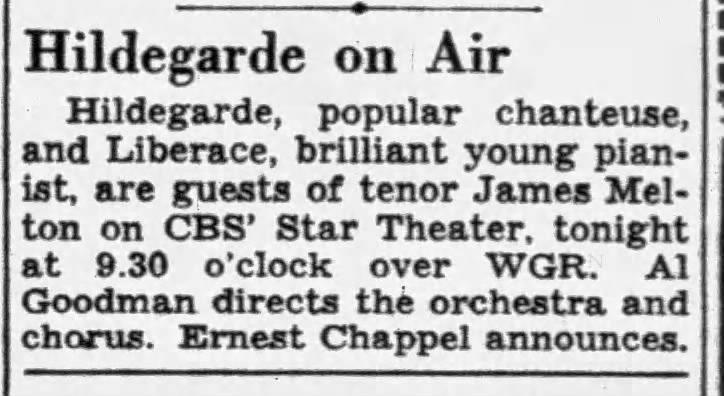
(Photo credit: The Indiana Star)
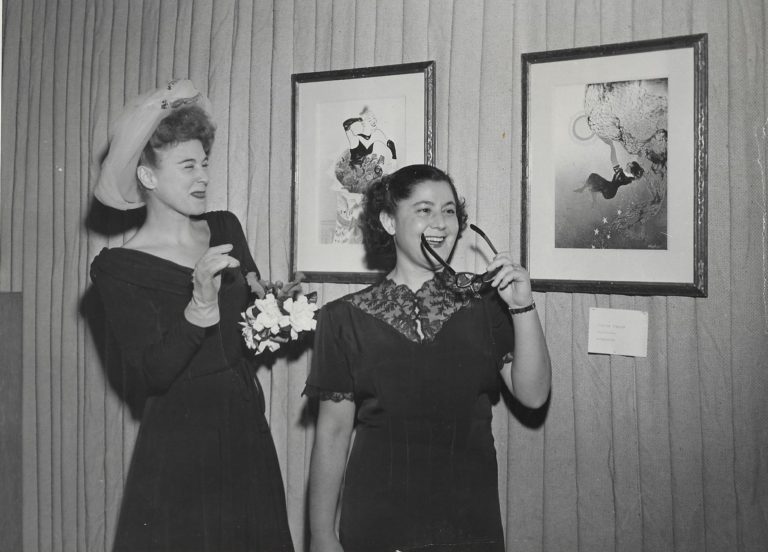
(Photo credit: The Anna Sosenko Assist Trust)
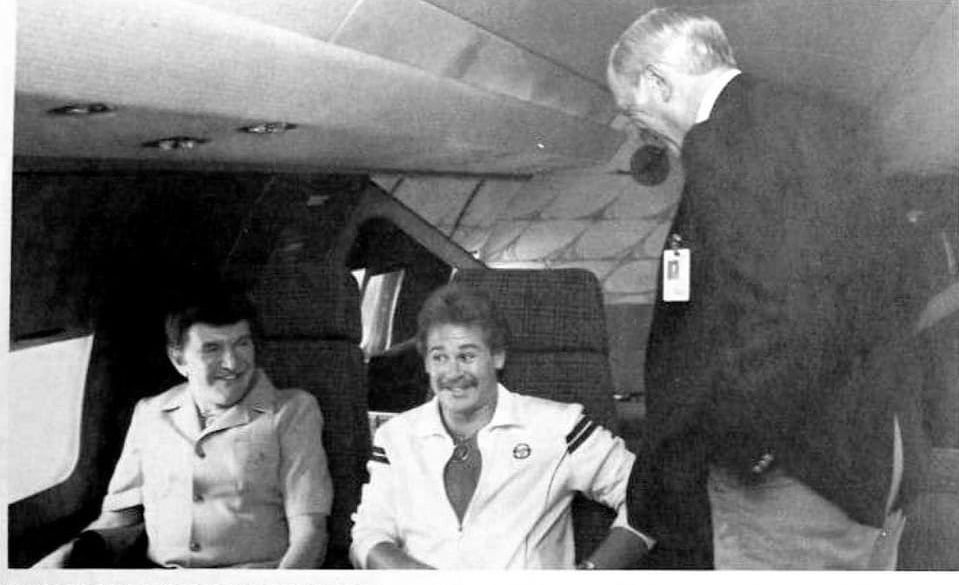
(Photo credit: The Liberace Photo and Video Archive)
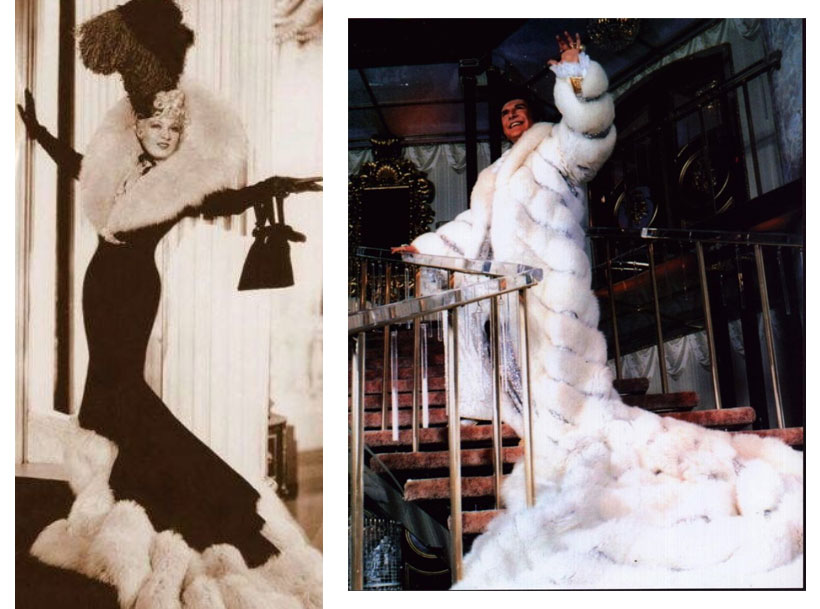
In addition to Hildegarde and Spivy, Liberace would also draw significant inspiration from his lifelong love of drag queens and Hollywood divas. Patterning much of his on-stage personality after his friend and gay icon Mae West, Liberace would try his own hand at female impersonation as early as 1935 when he entered (and won) a high school costume contest dressed like silent film star Greta Garbo.21 “Wally would always dress up,” one childhood friend told biographer Darden Asbury Pyron. “He always won first prize.”22
Keen to infuse even his earliest performances with the same elements of camp, vamp, and drama which made both Mae West and the queens of Finocchio’s a sensation, Liberace would serve as many Americans’ first exposure to gay and drag culture whether he explicitly identified it as such or not. “In writing about camp and homosexuality, cultural scholar David Bergman has identified what he calls ‘The Liberace Effect,’ by which he means ‘to be so exaggerated an example of what you in fact are, that people think you couldn’t possibly be it,” academic Joan W. Howarth summarized in 2004. “While some critics found Liberace’s performances distastefully gay, most of his fans saw clean, wholesome fun.”23
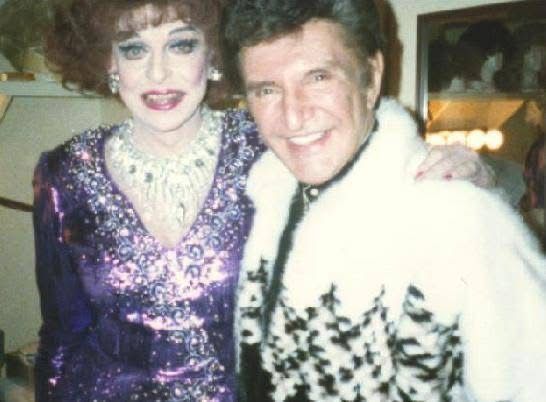
Speaking directly to this phenomenon in 1982, Liberace would tell People magazine that although he had no intention of ever appearing on stage in full female drag like his “dear friend” Danny La Rue, he also had no qualms about admitting that the flamboyant Liberace character he’d created to entertain “general family audiences” was, in effect, a drag persona.24 “My act is just that far away from being drag,” he winked to People, reiterating that he felt most comfortable on stage when he could appeal to both gay and straight audiences through his trademark use of costumes, patter, and innuendo.25 “[I think] it’s going to take many, many years for [straight family audiences] to accept people who are totally gay or come out on Johnny Carson,” he concluded presciently. “But with a name like Liberace – which stands for freedom – anything that has the letters ‘L-I-B’ in it, I’m for. And that includes gay lib.”26
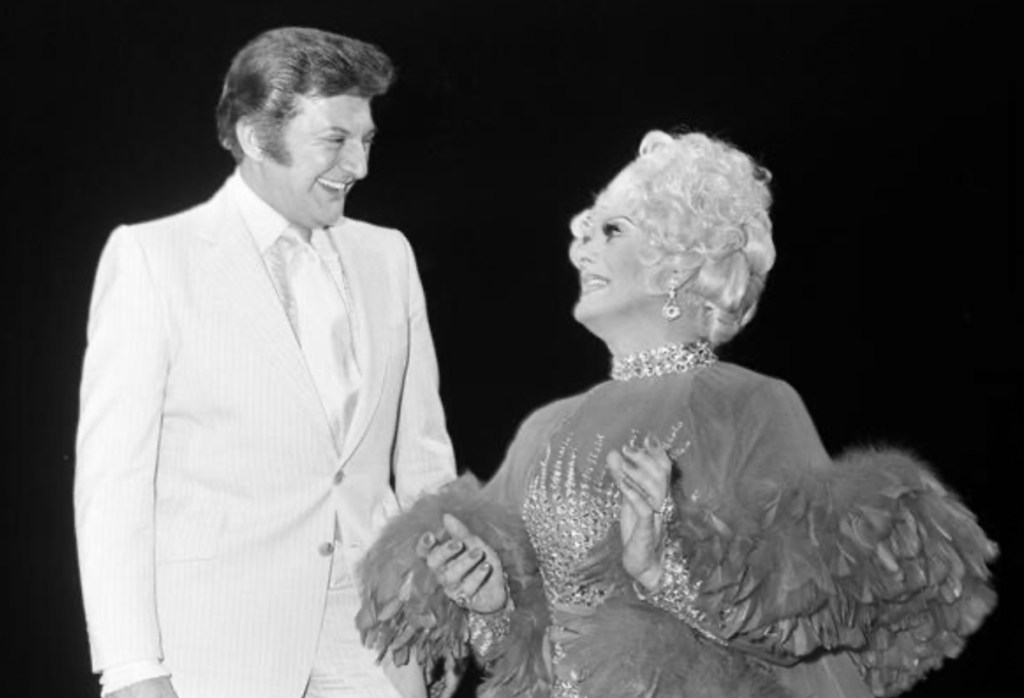
(Photo credit: Facebook/Trinity Mirror)
(Photo credit: Pinterest)
(Photo credit: Facebook)

(Photo credit: Facebook)
For more on Liberace’s connection to gay history and culture, stay tuned for future posts!
You can also check out more incredible scans from a 1940s Finocchio’s show program here.
- Leah Garchik, “Finocchio’s: 45 Years of Guys Dolled Up As Women,” The San Francisco Examiner, July 12, 1981. ↩︎
- Ibid, 19. ↩︎
- Ibid, 19. ↩︎
- Ibid, 19-20. ↩︎
- Ibid, 19-20. ↩︎
- Ivan Paul, “Let’s Vacation in San Francisco This Year,” The San Francisco Examiner, June 28, 1942. ↩︎
- Bob Bragman, “Finocchio’s Nightclub Brochure Reveals Era When SF Was More Easily Shocked,” SFGate, February 16, 2016, https://www.sfgate.com/performance/article/Finocchios-female-impersonator-San-Francisco-6806823.php. ↩︎
- Ibid. ↩︎
- “Memos of a Midnight Around the Bay,” The Oakland Post Examiner, December 1, 1945. ↩︎
- Nan Alamilla Boyd, Wide Open Town: A History of Queer San Francisco (Los Angeles, CA: University of California Press, 2005), 53-54. ↩︎
- Ibid. ↩︎
- Garchik, 19. ↩︎
- Qtd in Bob Thomas, Liberace: The True Story (New York, NY: St. Martin’s Press, 1987), 132-33. ↩︎
- “Liberace Denies He’s a Pervert,” Beckley-Post Herald, June 9, 1959. ↩︎
- Karl Fleming and Anne Taylor Fleming, The First Time, 1975, 142-3. ↩︎
- Ibid. ↩︎
- Andy Warhol, “Liberace’s Vision of the Universe,” Interview Magazine, December 6, 1984. ↩︎
- Elisa Rolle, “Hildegarde,” Queer Places, accessed June 1, 2025, http://www.elisarolle.com/queerplaces/fghij/Hildegarde.html. ↩︎
- Qtd. in Ibid. ↩︎
- Ibid. ↩︎
- Thomas, 11. ↩︎
- Qtd. in Darden Asbury Pyron, Liberace: An American Boy (Chicago, IL: University of Chicago Press, 2001), 57. ↩︎
- Joan W. Howarth, “Adventures in Heteronormativity: The Straight Line from Liberace to Lawrence,” Nevada Law Journal, 2004, 19-20. ↩︎
- Qtd. in Howarth, 20. ↩︎
- Ibid, 20. ↩︎
- Ibid, 20. ↩︎

 Beyond The Candelabra